


Handbook: Accounting changes and error corrections


Prepaid expenses are like buying a fast-pass for future rides; you’re enjoying the benefits over time. Let’s say you’re paying for a year’s worth of office space upfront. Rather than wave goodbye to all that cash in one month’s profit and loss How to Invoice as a Freelancer statement, you defer the expense, nibbling at it with monthly adjustments.
Notes to Financial Statements
- This may result in amendments to several line items, including assets, liabilities, equity, revenue, and expenses, depending on the nature of the error.
- Whether addressing questions about inventory accounts, debit credit, or invoice terms, businesses benefit from maintaining clear documentation and internal controls.
- Some accounting errors do not require a correcting entry because they are counterbalanced.
- Preparing correcting entries is actually easy once you know the thought process behind why we prepare them.
- 2 However, plans to file a registration statement that incorporates previously filed financial statements before the prior periods are revised may impact this approach.
- A cost transfer (aka accounting correction) is defined as an expense that is transferred from one account to another after the expense was initially recorded in the financial accounting system.
Bonus points if you toss in a mini case study or a simple spreadsheet breakdown to help explain it all. Rounding a number off seems like it shouldn’t matter but it can throw off your accounting corrections accounting, resulting in a snowball effect of errors. People can make this mistake, but it can also be a computerized error.
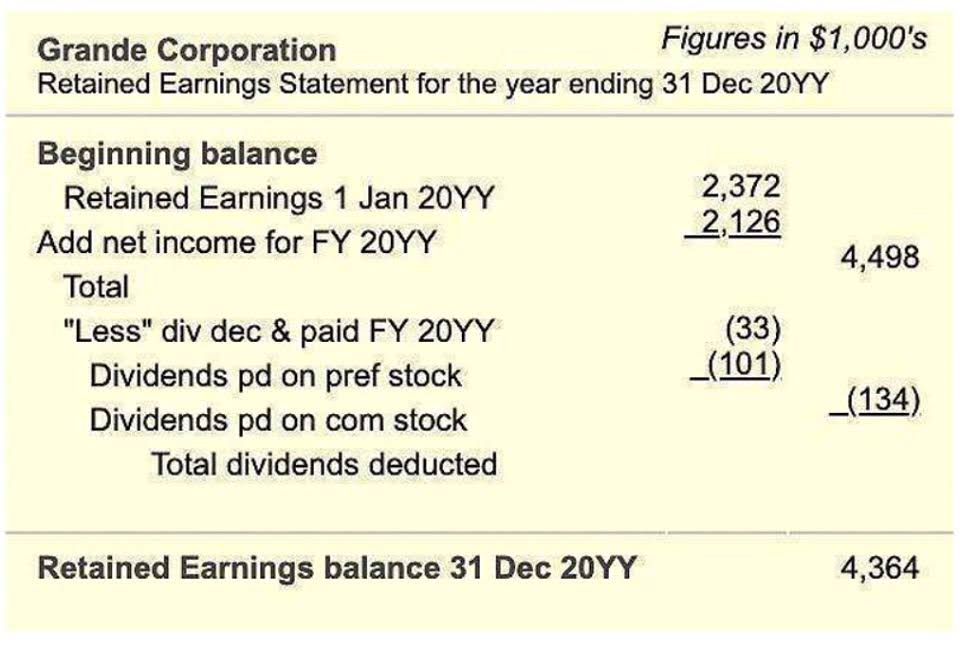
Example – Correction of a Depreciation Error

In the financial statements, ABC Corp would present the adjusted beginning retained earnings on its balance sheet for 2024. The income statement for 2024 would reflect the cost of goods sold based on the LIFO method, but the comparative income statement for 2023 would not be restated in this example, as we’re focusing on the effect on retained earnings. However, in practice, if comparative financial statements are presented, they would be restated to apply the new accounting principle retrospectively to all periods presented. In conclusion, changes in accounting principles are a critical aspect of financial reporting, reflecting the dynamic nature of business and accounting standards. Proper application, along with transparent disclosure, is essential to maintain the trust and confidence of users of financial statements.
Error of Principle

It can automate the consolidation of messy data sets, detect anomalies, and structure your numbers in a way that’s ready for compliance reporting. For those Big ‘R’ scenarios, there’s no escape—you’ve got to reissue corrected statements. Consider both dollar value and context to determine if this is a small blip or a big deal. Is it a math mix-up, a data omission, or a complete misapplication of an accounting guideline? And remember, for SEC registrants, the bar for transparency isn’t just high—it’s https://radiosfda.fr/conversion-of-accrual-basis-income-to-cash-basis-3/ sky-high.
Correction of Accounting Errors
- The goal is to gather sufficient information to not only correct the error but also to implement measures that prevent its recurrence.
- In the realm of accounting, the discovery of errors is a precursor to the implementation of corrective measures.
- Changes in Accounting Estimates are an integral part of the financial reporting process, reflecting the natural evolution of estimates as new information becomes available or as new events occur.
- Subsidiary entries are transactions that aren’t recorded correctly.
- Each reporting unit (each separate column in the financial statements) must present the aggregate adjustments or restatements of the beginning net position, fund balance, or fund net position in the financial statements.
- “Big R Restatement” – An error is corrected through a “Big R restatement” (also referred to as re-issuance restatements) when the error is material to the prior period financial statements.
The repercussions of inaccuracies can range from minor inconveniences to colossal financial disasters that can tarnish a company’s reputation and lead to legal consequences. Prior period adjustments are a testament to the dynamic nature of accounting, where the pursuit of precision in financial reporting is an ongoing process. By rectifying errors from the past, businesses reaffirm their commitment to transparency and accuracy, thereby reinforcing stakeholder confidence in the financial information presented. Accounting errors can have significant implications for a company’s financial statements and, by extension, its stakeholders’ decisions. The process of identifying and correcting these inaccuracies is not only a matter of regulatory compliance but also one of maintaining trust in the financial reporting system. Reclassifications represent changes from one acceptable presentation under GAAP to another acceptable presentation.